Dramanoes isn’t about being great; it’s about far less and much more. To win this social showdown you gotta be smooth as buttered silk with the sting of a sunburned jellyfish. Because there’s only one recliner chair in the room and it belongs to The Least Objectionable Guest.
Rules
Objective
Match Blame cards to the face-up Flaws in front of your opponents. A successful Blame makes that Flaw permanent. Collect too many permanent Flaws and you’re out; outlast everyone else to become The Least Objectionable Guest.
The Decks
Flaw — 55 cards
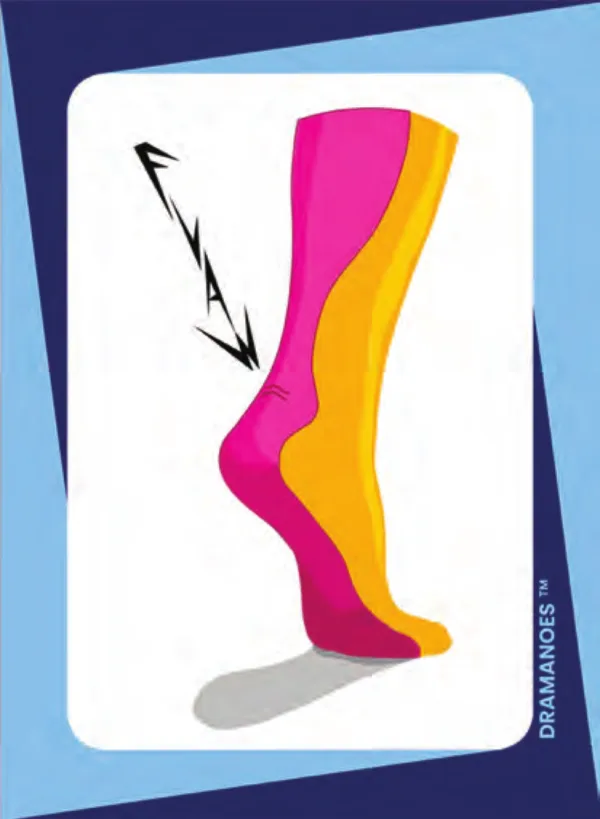
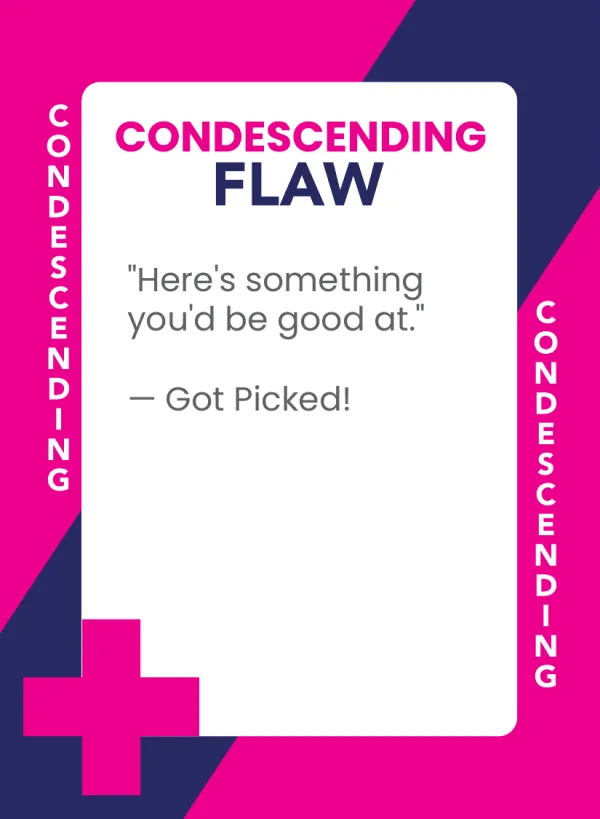
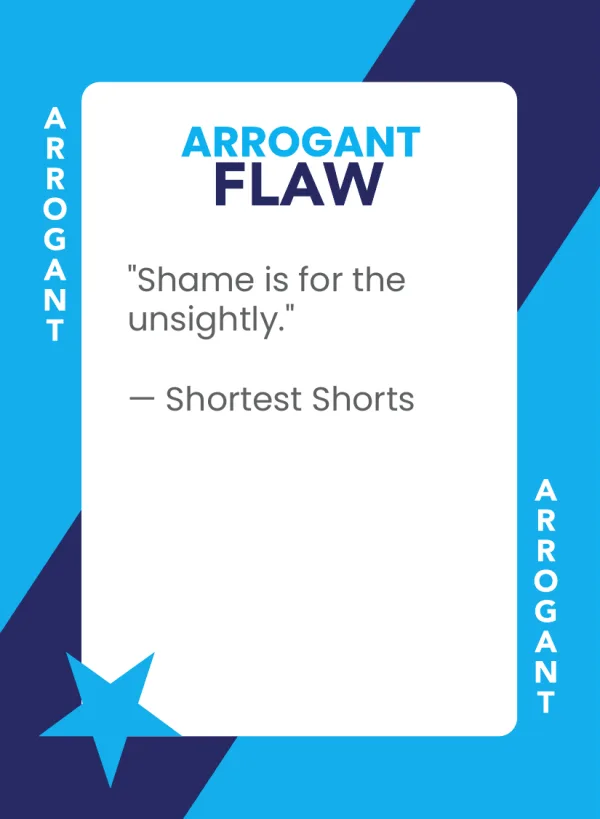
The five Flaw types are Arrogant, Condescending, Difficult, Odd and Tactless. Each type has 10 regular cards and 1 Instant Flaw. An Instant Flaw is permanent as soon as it appears; it does not need a Blame.
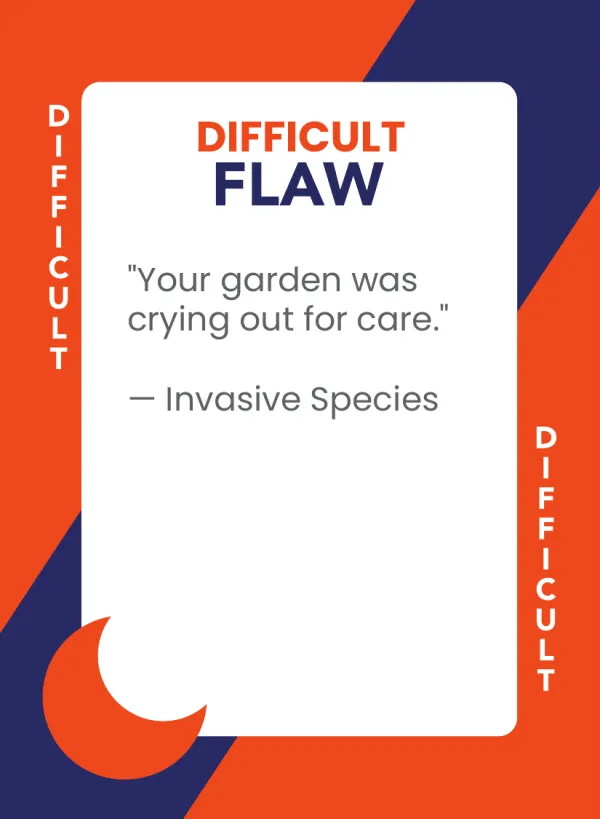

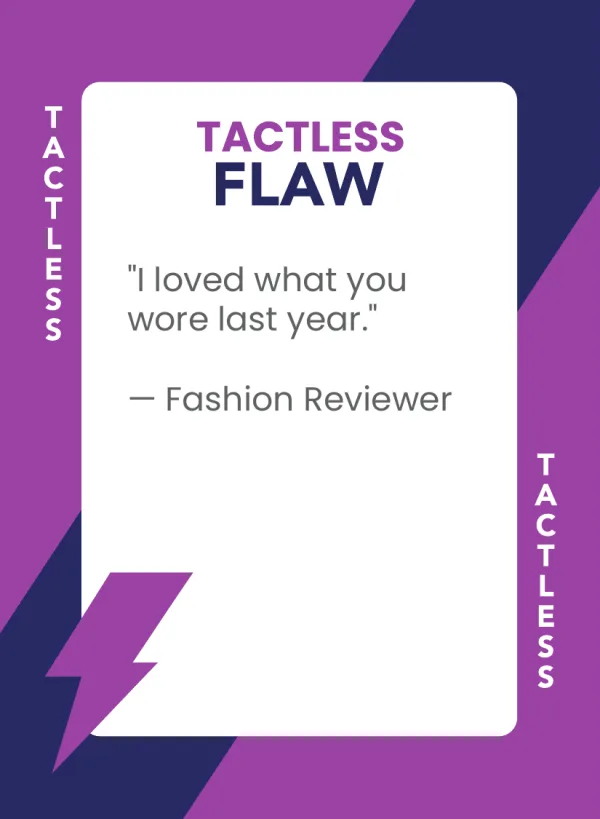
Blame — 55 cards
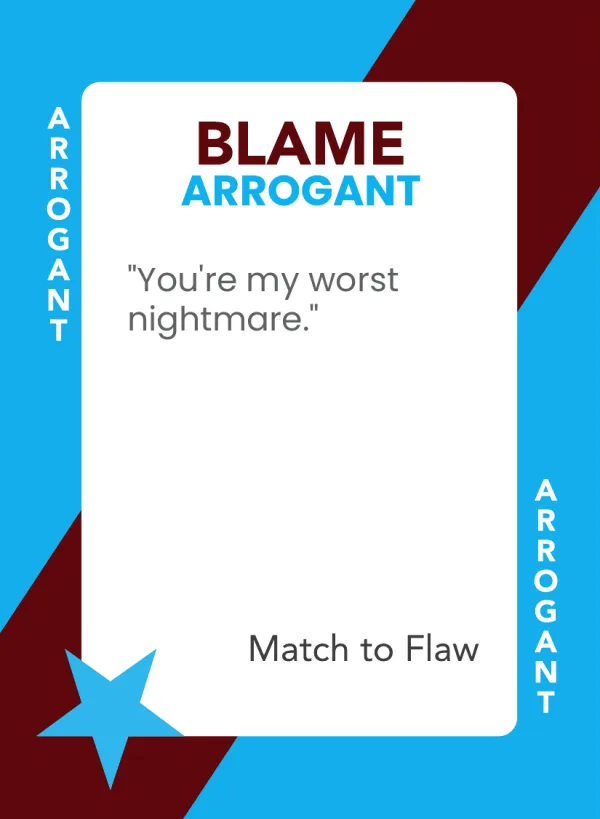
There are 10 Blames for each Flaw type, plus 5 Universal Blames. A type-specific Blame matches only the same Flaw type. A Universal Blame matches any Flaw.
Play a matching Blame on an opponent’s open Flaw. If nobody stops it, that Flaw becomes permanent. Draw back up to 5 Blame cards after the turn.
Trading in Blame Cards
If none of your Blames can be played, you may use your turn to discard up to 3 and draw replacements. You may trade only once per game, and the price is one extra Flaw drawn face up in front of you.
Annoy — 60 cards
Annoys are single-action cards: 20 Duck, 20 Skip and 20 Undo. Keep 3 in your hand and draw back up to 3 after the turn.
The 3 Annoy Types
-
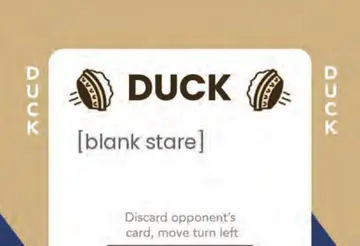
Duck — Ignore an opponent’s card played against you. -
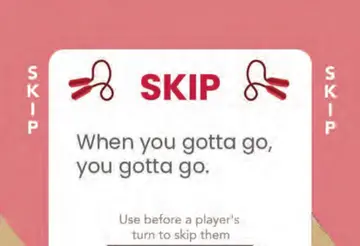
Skip — Play before an opponent acts to skip their turn. -
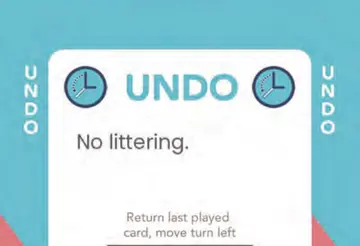
Undo — Return an opponent’s card to their hand.
Disaster — 5 cards
Disaster cards have Flaw backs and are shuffled into the Flaw deck. When one is drawn, reveal and resolve it immediately. Disasters cannot be stopped with a Blame or Annoy.
How to Play
Deal 5 Blame, 3 Annoy and 1 Flaw face up to each player. Keep all three decks within reach because both hands replenish.
- Read your first Flaw aloud and display it for everyone to see.
- On your turn, play one Blame on a matching open Flaw, trade eligible Blames, or pass.
- Resolve any response, then refill every player’s Blame and Annoy hands.
- When all of a player’s open Flaws become permanent, they immediately draw a new Flaw.
If a full round passes with no card played, every player draws another Flaw. Any Disaster drawn this way resolves immediately.
Responding to Blame
When an opponent Blames you, choose one response:
- Comeback: play a Blame matching one of the attacker’s open Flaws. Their Flaw becomes permanent and their original Blame is discarded.
- Duck: ignore the card played against you and discard it.
- Undo: return the card to the opponent’s hand.
- Take it: accept the Blame and make your targeted Flaw permanent.
A player holding Skip may play it before an opponent acts to skip that opponent’s turn. Annoys cannot stop a Disaster.
Disasters
Reveal these immediately when they come off the Flaw deck:
- Alien Hand — Against you
- Blame one of your own Flaws. Draw more Blames if needed.
- Blamestorm — Against all players
- Everyone Blames any other player. Anyone who can’t play draws a Flaw.
- Give or Take — For you, unless…
- Give away one of your matched Flaws. If you don’t have one, take a matched Flaw from another player.
- Here You Go — Against a chosen opponent
- Draw a Flaw for an opponent.
- Meltdown — Against all opponents
- Blame as many Flaws as your hand allows.
Winning & Losing
A player is out when either limit is reached:
| # of players | Different permanent Flaws | Same permanent Flaws |
| 4 | 5 | 4 |
| 5 | 4 | 4 |
| 6 | 4 | 3 |
| 7–8 | 3 | 3 |
Scoring
As soon as the first player goes out, the game ends:
- Winner(s): The player or players with the fewest matched Flaws get 0 points each.
- Loser: The player who first went out gets 5 points.
- All other players: Everyone who is neither a winner nor the loser gets 2 points each.
The Last Word: Dramanoes characters should feel familiar — they’re in all of our lives. But they’re made up. Take nothing personally. Relax and have fun being your least worst self!